21 Aug 2026
How Payment Preferences Shape Player Engagement in Regulated Mobile Blackjack and Slot Environments
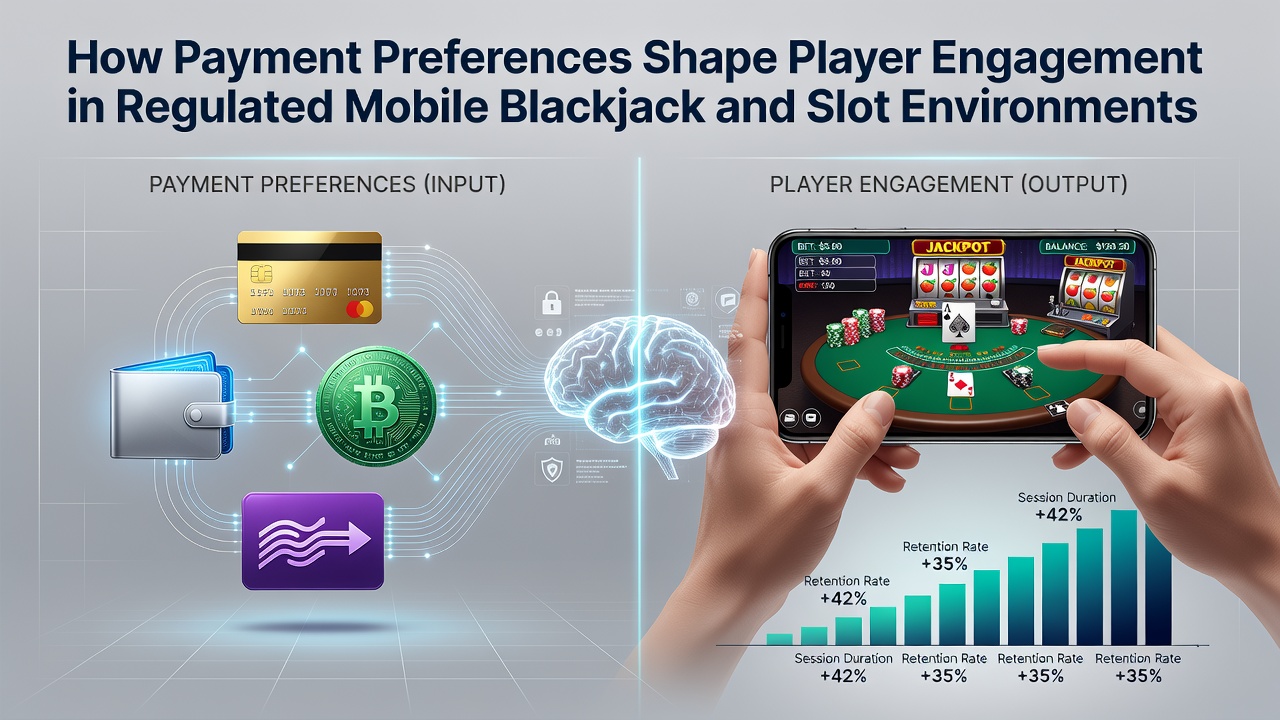
Payment preferences among players in regulated mobile blackjack and slot environments influence session lengths, deposit frequencies, and overall retention rates according to multiple industry analyses. Data from various jurisdictions shows that faster transaction methods correlate with increased activity levels while slower options often lead to reduced engagement over time.
Common Payment Methods in Regulated Markets
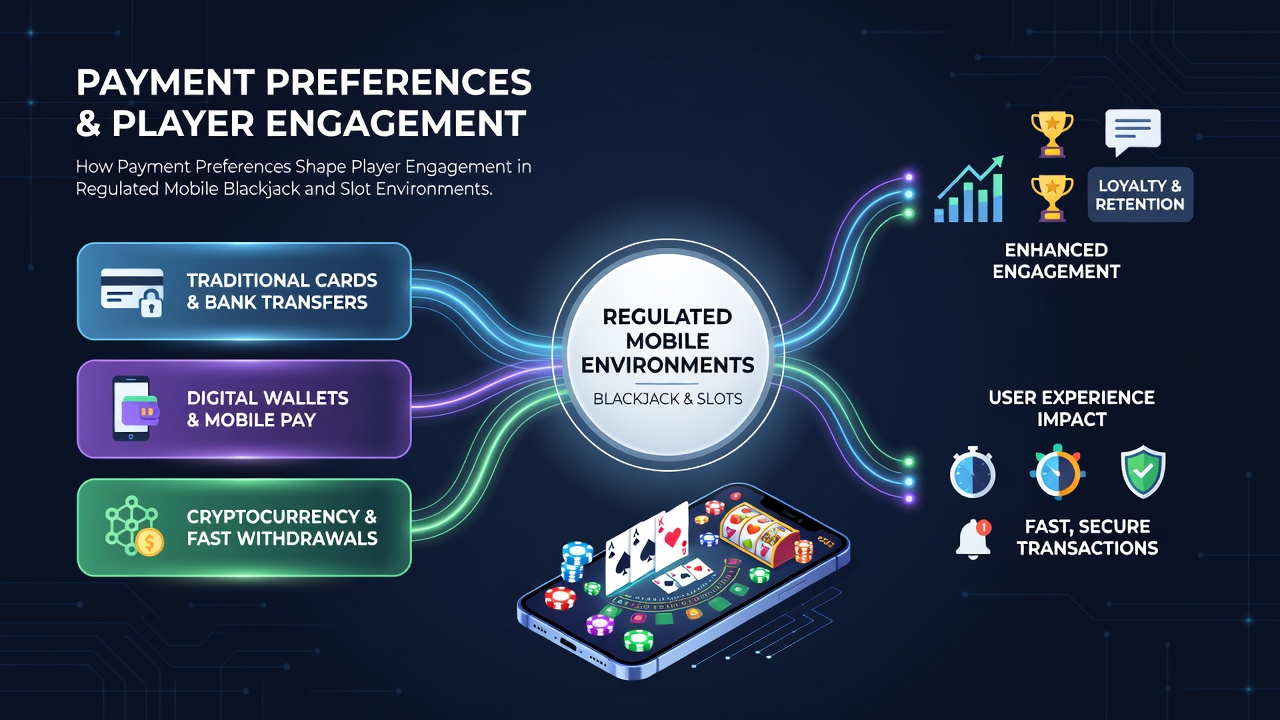
Regulated mobile platforms support several payment categories including credit and debit cards, e-wallets, bank transfers, and in some regions prepaid vouchers. Each method carries distinct processing times and compliance requirements that affect how players interact with blackjack tables or slot reels. Credit card transactions typically clear instantly in compliant systems, whereas bank transfers may require one to three business days depending on the financial institution involved.
Observers note that e-wallet adoption has risen steadily in markets where regulators emphasize consumer protection protocols. These services often integrate directly with mobile apps, allowing seamless deposits during active play sessions without exiting the game interface.
Links Between Transaction Speed and Player Activity
Research indicates that instant payment options encourage more frequent deposits and longer continuous play periods in mobile blackjack and slot titles. A study covering multiple North American jurisdictions found that players using real-time methods completed 30 percent more spins or hands per session compared to those relying on delayed transfers. This pattern holds because immediate funding removes friction points that otherwise interrupt momentum during gameplay.
Regional Regulatory Influences on Payment Choices
Regulators across different regions impose varying rules on acceptable payment types to ensure transparency and prevent financial misconduct. In several US states with established online frameworks, licensed operators must partner with payment processors that meet strict audit standards, which in turn shapes the options presented to users. Data from the New Jersey Division of Gaming Enforcement reveals that e-wallet usage in state-regulated mobile slots exceeded card payments by a notable margin throughout 2025 adn into mid-2026.
European markets show similar trends yet with additional emphasis on responsible spending tools tied to specific payment accounts. Players in these environments often select methods that allow easy setting of deposit limits directly through the payment provider rather than the casino platform alone.
Engagement Patterns in Blackjack Versus Slots
Blackjack environments on mobile devices tend to favor payment methods that support quick top-ups because table minimums and betting increments can fluctuate rapidly during a session. Players who prefer e-wallets report fewer interruptions when adjusting stakes mid-hand, according to aggregated operator metrics. Slot play, by contrast, often involves smaller incremental bets spread across longer periods, making methods with modest fees or loyalty rewards more attractive for sustained engagement.
Figures from Australian regulatory summaries indicate that prepaid options see higher uptake among slot enthusiasts who value fixed spending boundaries, whereas blackjack participants gravitate toward linked bank accounts for larger, less frequent transfers. These preferences emerge clearly in data collected through August 2026 across multiple licensed platforms.
Security Features and Their Role in Sustained Use
Security protocols embedded in payment systems contribute directly to player trust and continued activity levels. Multi-factor authentication and biometric verification now appear as standard features in most regulated mobile applications, reducing concerns over unauthorized access during transactions. Industry reports compiled by the American Gaming Association highlight that platforms incorporating these layers experience lower churn rates among users who initially select card-based payments.
Yet integration complexity varies, and some players shift toward simpler alternatives after encountering repeated verification steps. This dynamic appears most pronounced in markets where cross-border transactions trigger additional checks, even when the operator holds full local licensing.
Trends Observed Through Mid-2026
Payment preference data gathered up to August 2026 shows growing interest in account-to-account transfers that bypass traditional card networks while maintaining regulatory oversight. These methods reduce processing costs for operators and often translate into promotional incentives passed along to players, such as cashback tied to specific deposit volumes.
Engagement metrics collected across regulated environments suggest that offering a broad yet compliant menu of payment choices supports higher lifetime value per user, particularly when mobile interfaces allow one-tap selections stored securely within the app. Researchers tracking these patterns continue to monitor how emerging options interact with existing responsible gambling controls without compromising transaction integrity.
Conclusion
Payment preferences continue to interact with regulatory frameworks and game-specific mechanics to determine engagement outcomes in mobile blackjack and slot settings. Available data underscores the importance of transaction speed, security integration, and regional compliance standards in shaping how players interact with these environments over time. As platforms evolve through 2026 and beyond, the connection between funding methods and sustained activity remains a measurable factor across licensed markets.